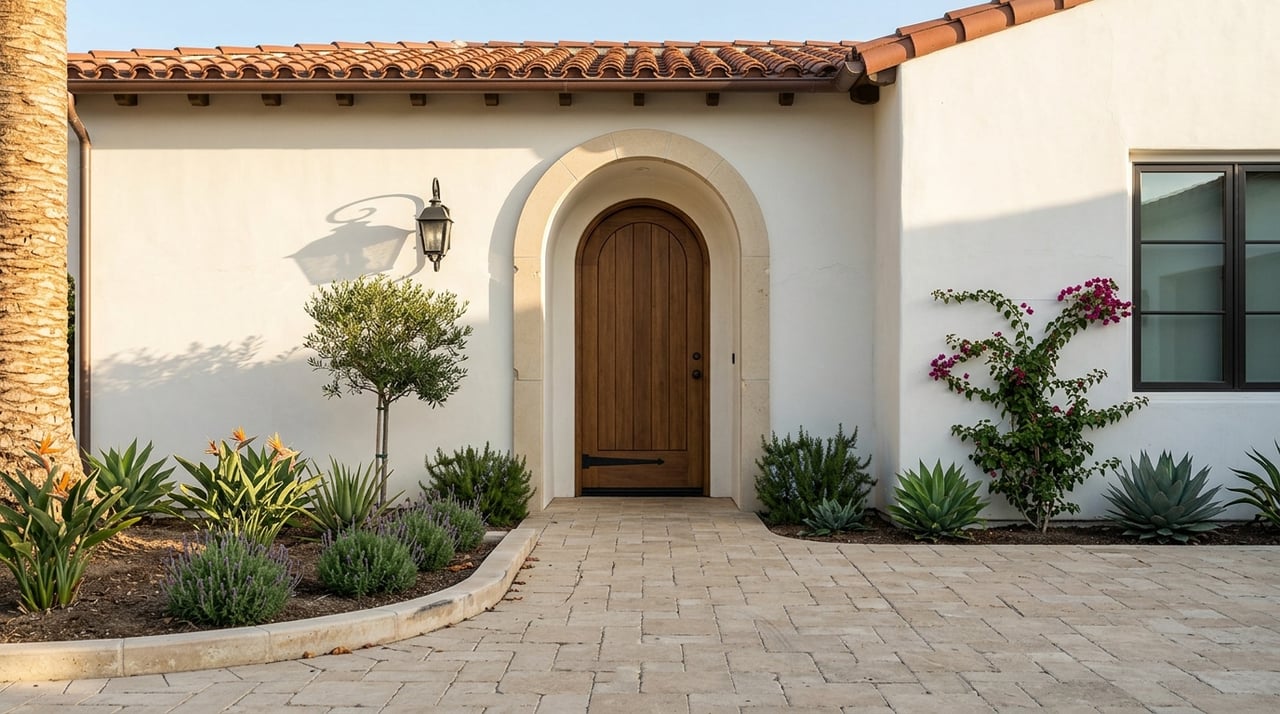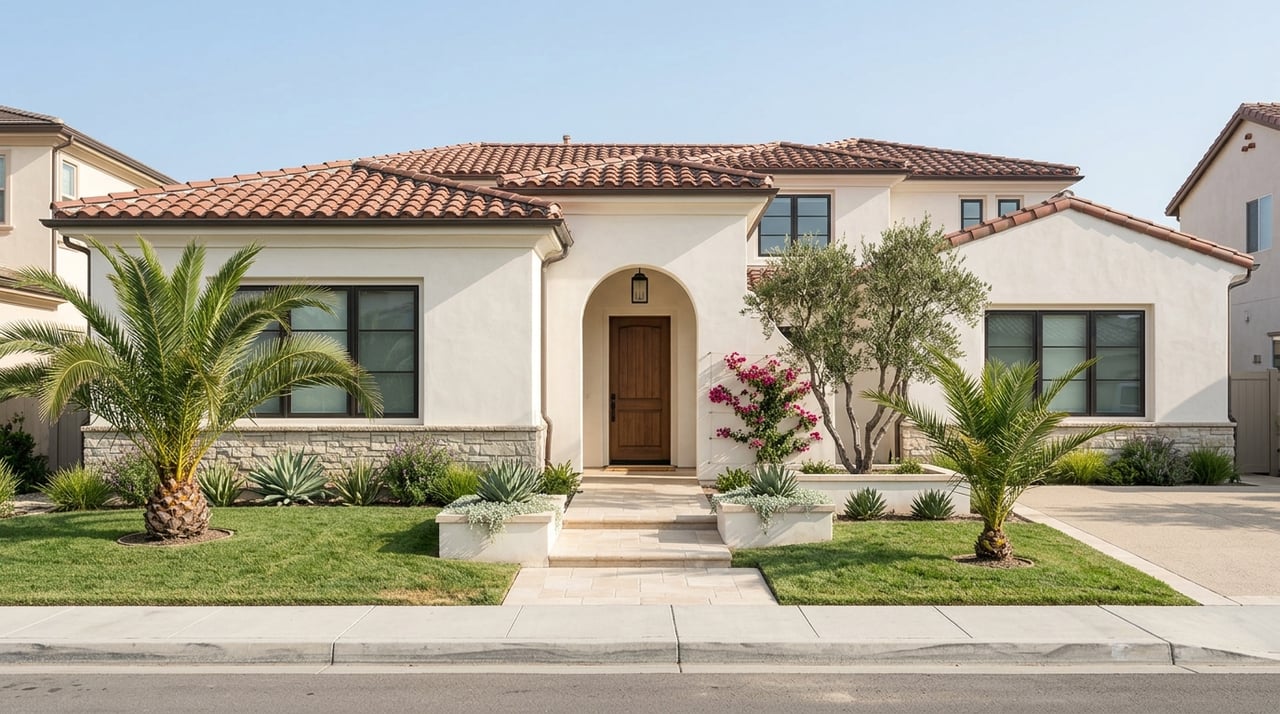
Are you eyeing a Rancho Santa Fe estate and wondering how to finance it? At RSF price points, jumbo loans are often the norm, and the process can feel different from a typical mortgage. With the right preparation, you can move quickly, protect your leverage, and close smoothly. In this guide, you’ll learn how jumbo loans work here, what lenders expect, which property features can affect approval, and how to make a winning offer. Let’s dive in.
Why jumbos are common in Rancho Santa Fe
Rancho Santa Fe is known for large estates, acreage, equestrian facilities, and custom builds. Many sales land well above standard loan thresholds, so most financed purchases will involve a jumbo (non‑conforming) loan. Unique features like guest houses, barns, private roads, and wells or septic can add documentation and appraisal steps. Plan for extra time to verify systems, value, and title details.
How jumbo thresholds work
Conforming loan limits are set each year by the Federal Housing Finance Agency. If your loan amount exceeds the San Diego County limit in effect for your closing year, it is considered jumbo. Since limits change annually, confirm the current county limit before you structure your financing.
What to check before you write an offer:
- Your expected loan amount after down payment.
- The current FHFA conforming limit for San Diego County.
- Whether your lender offers any high‑balance or special conforming options that might fit your price point.
What lenders look for
Jumbo underwriting is more conservative than standard conforming loans. Exact numbers vary by lender, but you should expect tighter guidelines across credit, income, reserves, and valuation.
Credit and score
- Higher credit scores are preferred. Many lenders price best for mid‑700s.
- Recent credit issues or multiple inquiries receive closer review.
Debt‑to‑income ratio (DTI)
- Many lenders target a DTI in roughly the mid‑30s to mid‑40s, depending on your profile.
- Asset‑rich buyers may qualify with alternative calculations in select programs.
Down payment and LTV
- Primary residences often require 10 to 20 percent down. Putting 20 percent or more down can remove restrictive overlays.
- Second homes and investment properties usually need higher down payments.
Cash reserves
- Expect larger reserves than conforming loans. Six to twelve months is common for primary homes, and more for larger balances or second homes.
- Lenders often count liquid assets, including cash, brokerage accounts, and a portion of retirement funds.
Income documentation
- Full documentation is standard: two years of tax returns, W‑2s, recent pay stubs, and signed tax transcript forms.
- Self‑employed or high‑net‑worth buyers may use alternative methods like asset depletion if offered by the lender.
Assets and source of funds
- Provide complete statements for accounts used for down payment and reserves.
- Be ready to document and explain large or recent deposits and any gift funds.
Appraisal and valuation
- Unique luxury properties often need a complex or luxury appraisal and sometimes a second valuation review.
- Appraisers must locate credible comparable sales, which can take more time in a low‑turnover area.
Mortgage insurance and products
- PMI is uncommon on jumbos. Lenders price risk into rates and reserve requirements.
- Some portfolio or private‑bank options allow lower down payments without PMI, paired with stricter review.
RSF property features that affect approval
Unique estate elements
Large lots, barns, arenas, vineyards, and guest houses can be challenging to value. Appraisers need truly comparable luxury sales. Build in time for a thorough appraisal.
Utilities and access
Some homes use private wells and septic systems or have nonstandard access. Lenders may require well and septic inspections and proof that systems meet guidelines. Budget for any repairs or replacements that may be required.
Zoning, easements, and CC&Rs
Expect the lender and title company to review CC&Rs, easements, and any special assessments. Unpermitted additions or nonconforming uses can delay approval.
Insurance and hazard coverage
High replacement cost and coverage for detached structures can increase your monthly payment. Lenders count this in DTI and reserve calculations.
Private banking and flexible options
Private bank and portfolio mortgages can be a strong fit for high‑net‑worth buyers. These loans consider your full relationship and asset base and may offer:
- Asset‑based or alternative income documentation.
- Tailored structures, such as interest‑only periods.
- Discretionary pricing or higher loan‑to‑value in exchange for deposits.
Non‑QM options, bank statement loans, and bridge or construction loans can also help when income is irregular, timing is tight, or the property is unique. These solutions often come with higher rates or larger reserve needs, so start the conversation early.
Strategies to strengthen your offer
Make your financing a reason for a seller to say yes. A few proven tactics:
- Bring a full preapproval, not a prequalification. Include your lender’s contact info and a clear statement of ability to close.
- Show strong proof of funds. A larger earnest money deposit and visible liquid reserves build confidence.
- Shorten contingencies where prudent. Work with your lender to set a realistic loan and appraisal timeline.
- Plan for appraisal gaps. Keep a down payment buffer or write a specific appraisal gap term to reduce valuation risk.
- Consider bridge or portfolio options. These can help you remove financing contingencies faster when timing matters.
- Use escalation and smart credits. If multiple offers are likely, escalation terms and seller credits toward closing costs can help keep your loan amount and appraisal strategy aligned.
Lender coordination checklist and timeline
Luxury underwriting can take longer than a standard loan. Start early and keep communication tight.
Before you make an offer
- Secure full‑document preapproval with tax returns, pay stubs, W‑2s, and signed transcript forms.
- Provide complete bank, brokerage, and retirement statements. Prepare explanations for large deposits.
- If self‑employed, add year‑to‑date profit and loss and balance sheet.
After contract acceptance
- Order the appraisal right away and request a luxury or complex appraisal if appropriate.
- Share contacts for the seller, listing agent, HOA or CC&R administrator, and title.
- Order well and septic inspections early if they apply.
During underwriting
- Track appraisal status, HOA documents, title exceptions, and all lender conditions.
- Ask about any conditions related to acreage, accessory units, insurance, or site systems.
Closing steps
- Align your final walkthrough with the lender’s funding timeline.
- Confirm clear‑to‑close requirements and schedule wires for closing funds.
Typical timing: many full‑doc jumbos fund in about 30 to 45 days. Portfolio or private‑bank timelines vary by institution.
Costs and risks to plan for
- Rates and pricing: jumbo rates can price differently than conforming loans and may shift with market conditions. Get current quotes from your lender.
- Closing costs: larger loans can carry higher fees, plus added inspection and appraisal costs for complex properties.
- Property taxes: in California, plan for supplemental taxes after purchase. Ask your lender and escrow to help you budget.
- Seller concessions: programs and lenders set limits. Clarify early to avoid last‑minute changes.
- Mortgage insurance: PMI is uncommon on jumbos, so expect higher down payments or portfolio solutions.
Ready to move in Rancho Santa Fe?
If RSF is your goal, preparation is your advantage. With early preapproval, a lender who knows complex estates, and a clear offer strategy, you can compete with confidence and close on the home you want. For tailored guidance, introductions to experienced jumbo lenders, and a seamless search and escrow, connect with Lori Barnett.
FAQs
What is a jumbo loan for Rancho Santa Fe buyers?
- A jumbo loan is any mortgage that exceeds the current FHFA conforming limit for San Diego County, which you should confirm for your closing year.
What credit score and reserves do jumbo lenders prefer?
- Many lenders price best for mid‑700 credit and expect six to twelve months of reserves for primary homes, with more for larger balances or second homes.
How do wells and septic impact financing in RSF?
- Lenders may require inspections and proof that systems meet guidelines, and any needed repairs can become loan conditions.
How can I compete with cash offers in Rancho Santa Fe?
- Bring full preapproval, show strong liquid reserves, shorten contingencies when prudent, and plan for appraisal gap coverage to reduce seller risk.
How long does a jumbo loan take to close on a complex RSF property?
- Many full‑doc jumbos fund in about 30 to 45 days, though complex appraisals or portfolio reviews can extend timelines.
When should I consider a private‑bank or portfolio mortgage?
- If you have significant assets, irregular income, or need options like interest‑only or flexible underwriting for a unique property, explore these early.