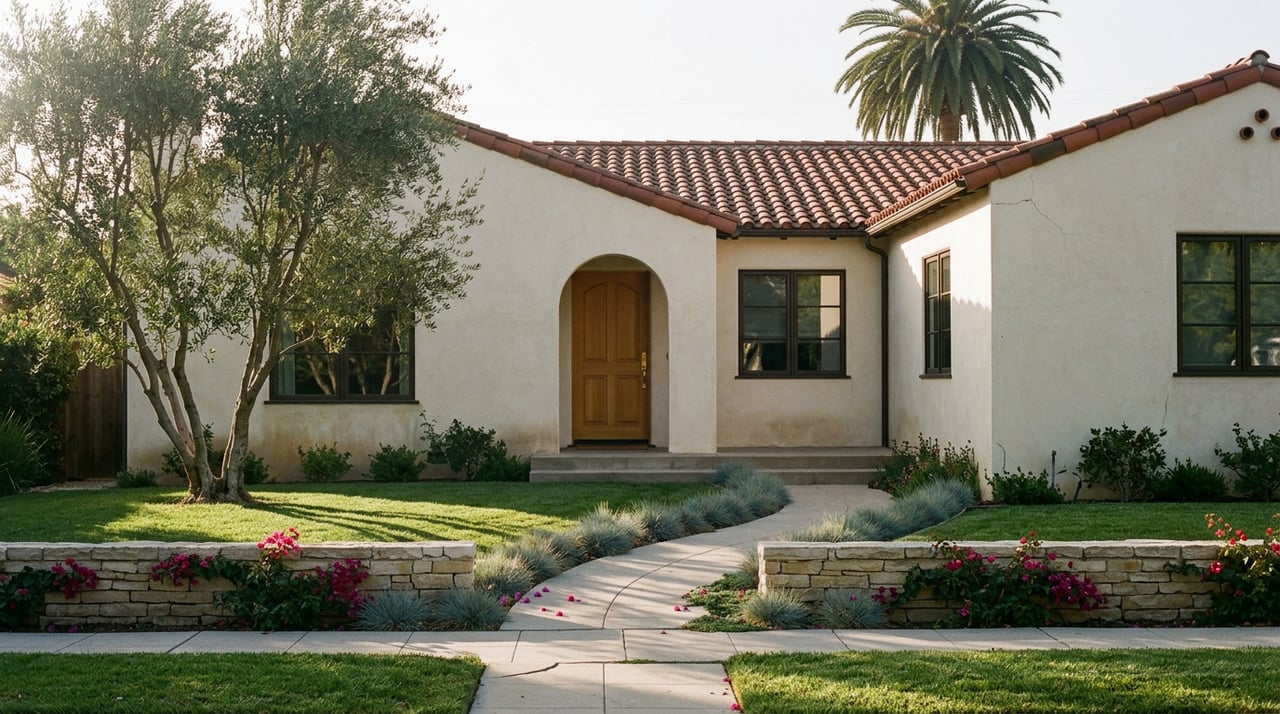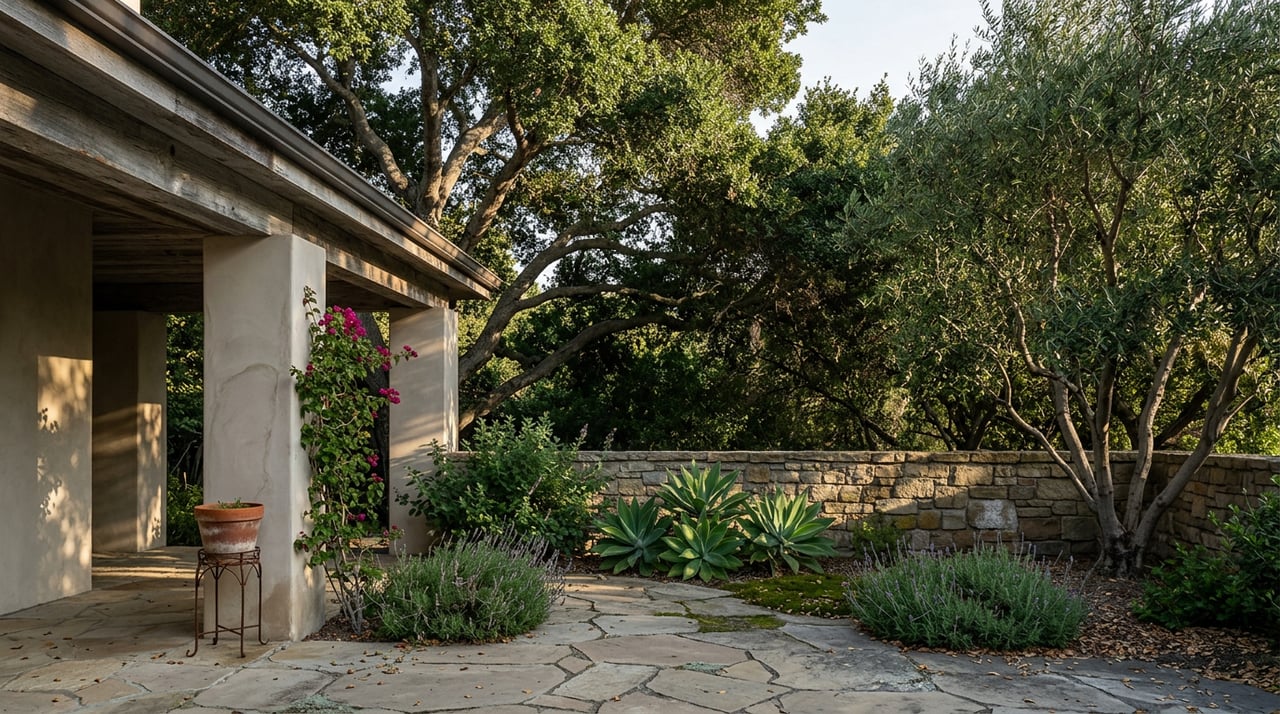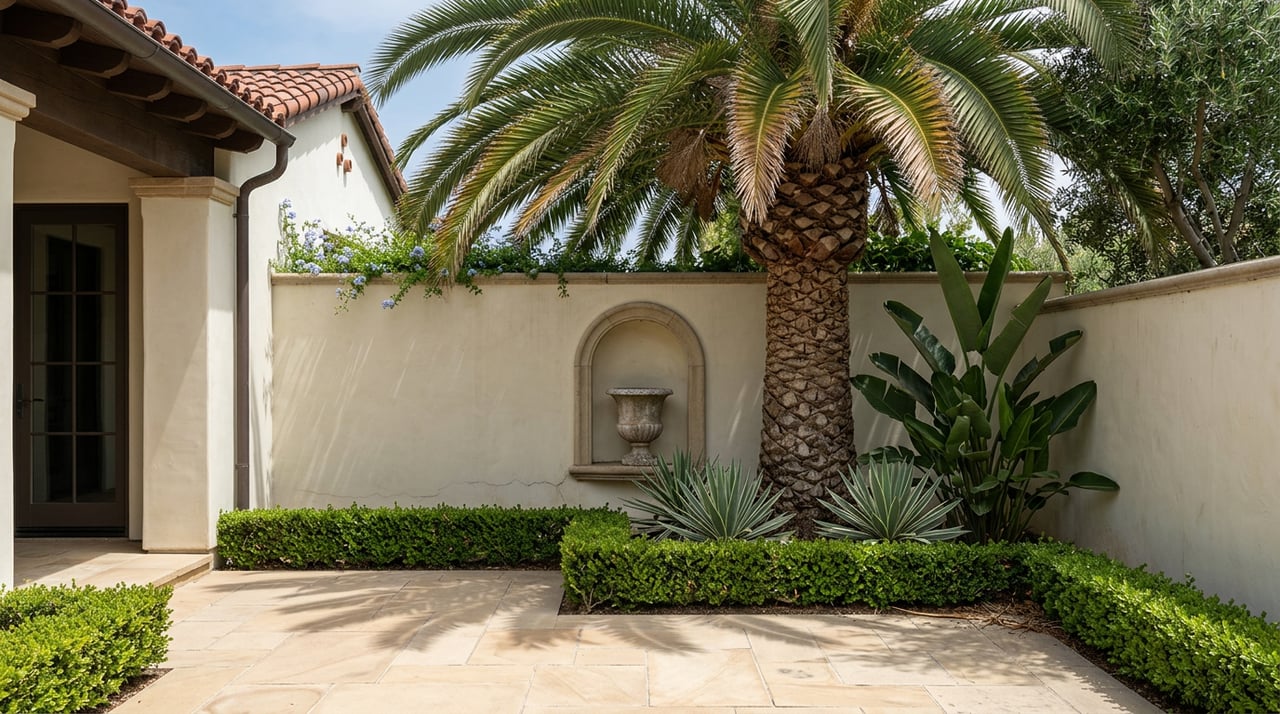
Walk east from the Nature Center on a weekday morning and you will pass at least one palm that used to have a crown and doesn't anymore. The fronds are gone, or they are hanging brown and collapsed around a trunk that looks like it was cut off at the top. Hikers posting on AllTrails have started flagging it in their reviews, describing a trail that is otherwise easy and beautiful except for a spreading die-off blamed on the South American Palm Weevil and a fungal disease called Fusarium wilt. If you walk this stretch of the Carlsbad-Aviara-La Costa area regularly, you have probably already noticed it and wondered whether this is a passing problem or a permanent one.
It is worth being specific about what is actually happening, because the answer is not really about pest control. This reserve has swapped out its canopy before, on purpose, and the insect currently working its way through the palms is finishing a job the people who manage this land already started.
What's Actually Killing These Palms
The South American Palm Weevil, or SAPW, is a beetle that drills into a palm's crown and lays eggs there. The larvae feed on the tree's growing point, the soft tissue at the very top of the trunk that produces every new frond. Once that tissue is destroyed, the palm cannot generate new growth. According to UC Riverside's Center for Invasive Species Research, this is why an infested palm often looks fine from a distance right up until it doesn't, because the damage happens invisibly inside the crown before the fronds start to brown and drop.
The weevil first turned up in California in Tijuana around 2010 and was confirmed in San Ysidro the following year. It has been moving north through San Diego County ever since. One plant care resource tracking the spread reported that, as of January 2025, monitoring stations in Carlsbad and San Marcos were showing consistent adult weevil activity year-round, with the leading edge of the infestation reaching into Encinitas, Solana Beach, Del Mar, and Rancho Santa Fe. County-wide, the same source cites a University of California estimate that more than 20,000 palm trees had already been killed as of November 2023. Batiquitos Lagoon sits inside that expanding zone, not on the edge of it.
If you have Canary Island date palms on your own property, which are the species this weevil prefers, the warning signs to watch for are specific. Look for:
- Yellowing fronds that don't recover with watering
- New growth that emerges stunted or fails to open normally
- A "brown umbrella" silhouette at the crown, where the top has died but lower fronds stay green for a while longer
- Small holes or tunnels near the base of the fronds, sometimes with a fermented odor
- Fibrous cocoon cases on the ground that resemble shredded wheat
Once a palm shows these symptoms, arborists generally agree the tree is past saving. Prevention through routine soil and crown treatment is the only approach that reliably works, and it has to be repeated every few months indefinitely to stay effective.
The Trail Has Done This Before
Here is the part that gets left out of the pest-control version of this story. The palms lining parts of Batiquitos Lagoon were never native to begin with, and this is not the first time the reserve's stewards have deliberately reworked what grows along its shore.
Years ago, the Southern California Wetlands Recovery Project backed a restoration phase at the lagoon that removed stands of invasive eucalyptus and replaced them with Torrey Pine and other native coastal species, specifically to improve nesting habitat for the birds the reserve exists to protect. That project pulled in a mix of people you would not expect to see working together on the same shoreline: staff from the Batiquitos Lagoon Foundation, biologists from the California Department of Fish and Wildlife, a golf course superintendent, and volunteer crews that included Boy and Girl Scout troops. The goal was never to keep every tree that happened to be growing there. It was to keep the habitat functioning for the species that actually depend on it.
The Batiquitos Lagoon Foundation has been an all-volunteer organization since it started. A local business journal profile of the group put its track record at more than 25 years back in 2009, which means the same stated mission, to preserve, protect, and enhance the lagoon, has now guided the group for over four decades.
Seen against that history, the weevil is not destroying something the Foundation was trying to preserve. It is accelerating a change that was already consistent with how this reserve has been managed. Palms are ornamental plantings, not part of the coastal sage scrub and riparian habitat the lagoon's restoration plans are actually built around. When they go, the shoreline does not lose its purpose. It loses a decoration.
That distinction matters if you are the kind of resident who has an emotional attachment to a specific tree on your regular walk. It is a real loss, and it is fair to feel it. But it is not evidence that something has gone wrong with how this place is cared for.
The Shoreline Is Changing on More Than One Front
The palm die-off is happening at the same time as several other changes to this stretch of shoreline, and taken together they say something clearer than any one of them alone: this is an active, working reserve, not a static backdrop.
State filings show maintenance dredging planned for the lagoon's flood shoal across the 2025-2026 window, timed to avoid the nesting season for the California least tern and grunion spawning. A related staff report from late 2024 anticipated the dredging and nesting-site fencing work running from fall 2025 through this past February, with an estimated cost between $1.5 million and $1.8 million and roughly 5,000 linear feet of protective fencing replaced around four separate nesting sites. Sand pulled from the lagoon during this kind of work gets placed back on adjacent beaches rather than hauled away, which is part of why South Ponto Beach periodically gets a boost in the same years the lagoon gets dredged.
Separately, the City of Carlsbad has confirmed that SANDAG and Caltrans are working to replace the 1940s wooden rail trestle that crosses the lagoon with a wider bridge that allows more tidal flow, part of a larger double-tracking project along the rail corridor. The city's own account traces the lagoon's modern restoration back to a 1987 environmental mitigation deal tied to Port of Los Angeles harbor work, which ultimately funneled $57 million toward reopening Batiquitos to full tidal flushing after decades of being choked by sediment from the freeway and rail corridor.
And in 2022, the Foundation took title to a 7.2-acre parcel at the lagoon's northeast end, adjacent to land it had already acquired in 2004. Combined, those parcels are what eventually make it possible to extend the existing trail eastward and then south toward San Marcos Creek, closing a gap that has kept the full north shore route from connecting end to end. The watershed that feeds this lagoon already reaches well beyond Carlsbad, drawing in San Marcos Creek from the east and Encinitas Creek from the south, so a trail extension here is really a link between three cities that already share this water.
None of this is dramatic in the way a construction closure or a wildfire evacuation would be. It is slower and more procedural, which is exactly why it is easy to miss if you are only paying attention to the trees.
What to Do With This If You Walk Here
If you want to see the reserve up close while this transition plays out, the Batiquitos Lagoon Foundation's Nature Center at 7380 Gabbiano Lane is open most days, with docent-led walks and self-guided brochures available on site. The Foundation also runs twice-monthly volunteer days for trail maintenance and habitat restoration, which is the most direct way to see how this kind of canopy change actually gets managed rather than just observing the aftermath on a solo walk.
If you own Canary Island date palms nearby, the honest answer is that prevention is the only thing that reliably works, and it is not a one-time fix. An arborist can inspect for early signs and set up a treatment schedule, but once a tree shows the brown umbrella look, removal is usually the safer call, both for the tree's own risk of dropping fronds or losing its crown entirely, and to keep an infested tree from becoming a launch point for weevils moving to the next palm on the block.
The lagoon you walk past today will look different again in a few years, the same way it looked different in the past when eucalyptus lined the north shore instead of the mix of coastal sage and native trees you see now. That is not a sign this place is being neglected. It is what stewardship of a 610-acre tidal wetland actually looks like when you watch it long enough to notice the pattern.
If you are thinking about what it means to put down roots near a shoreline that keeps changing shape on purpose, The Barnett Team knows this stretch of Carlsbad well enough to talk you through it block by block. Get your home value if you are curious what a property near Batiquitos Lagoon is worth in today's market, or reach out directly if you just want a conversation about what living this close to an active reserve is really like.