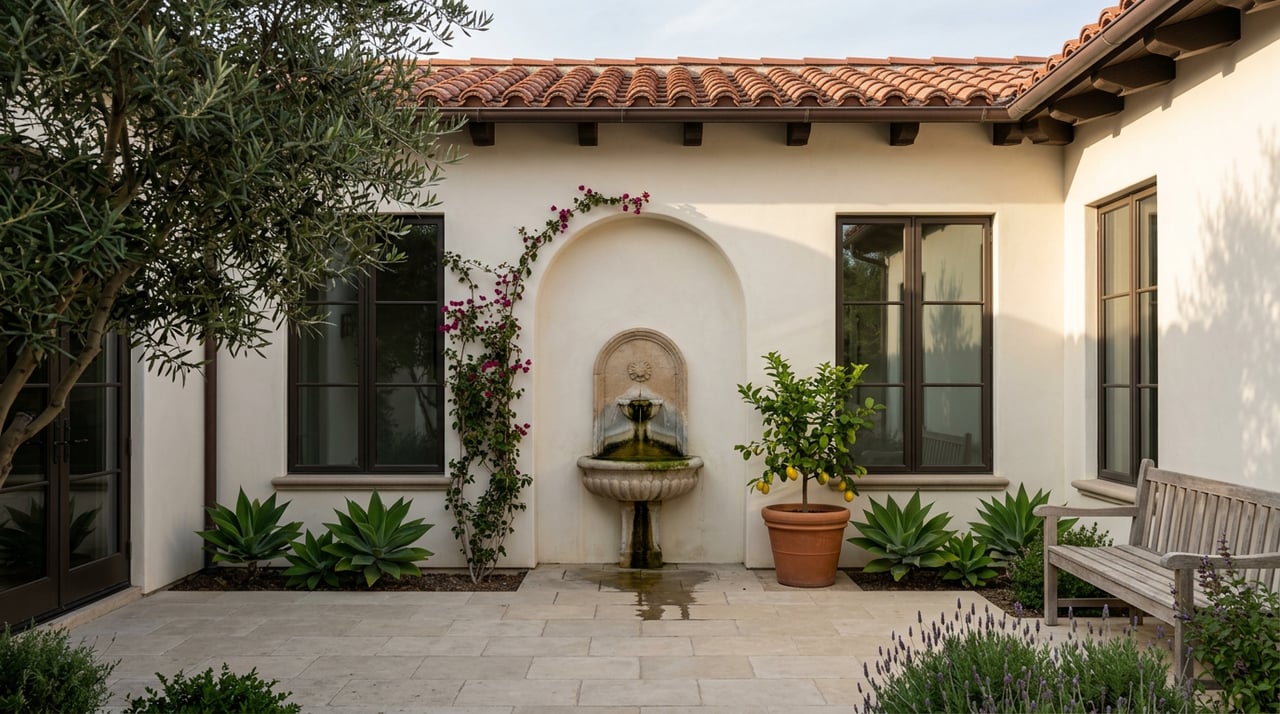
Is the North County Coastal market finally easing or gearing up for another competitive season? If you are planning a move in Encinitas, Carlsbad, Solana Beach, or Rancho Santa Fe, you are likely weighing mortgage rates, scarce listings, and the right timing. This outlook gives you a clear, local read on what is driving prices, how different segments behave, and the practical steps that help you win as a buyer or seller. Let’s dive in.
What is shaping the market now
Mortgage-rate sensitivity is the biggest force in today’s market. When rates rise, the buyer pool shrinks and decision timelines stretch. When they ease, activity can jump quickly, especially along the coast where lifestyle demand is strong and supply is limited. You can track rate shifts using the weekly survey from Freddie Mac to time your move and understand how payment changes affect affordability.
Supply is structurally tight along the coast. In Encinitas and neighboring cities, coastal regulations, environmental overlays, and limited buildable land keep new construction muted. Zoning and planning controls help preserve the coastline, but they also slow additions to inventory. That scarcity supports values and can trigger fast competition when a well-priced listing hits the market.
Finally, different price bands move differently. Luxury estates and ocean-close properties rely more on cash and stock market wealth. Entry and mid-tier homes rely more on financing and local employment. That means segments can diverge at the same time, and a smart strategy starts with understanding where your home or target property sits in the spectrum.
Encinitas and neighboring cities at a glance
Encinitas
You will find a mix of coastal cottages, mid-market single-family homes, and estate-style properties in Leucadia, Cardiff, and Olivenhain. Inventory is limited and varied, so the best homes still draw attention quickly when priced correctly. Expect more rate sensitivity in entry and mid-tier segments and more cash influence near the water.
Carlsbad
Carlsbad offers more variety, from newer master-planned neighborhoods to coastal homes and condos. Buyers appreciate the broader range of price points and product types, which can add flexibility in a tight market. Family-oriented neighborhoods and newer construction attract local move-ups and relocators.
Solana Beach
Solana Beach is small, highly walkable in key areas, and close to the ocean, which supports a higher price per square foot in many pockets. Liquidity can ebb and flow due to small sample sizes, but the coastal premium remains consistent. Cash buyers and relocators often play a larger role here.
Rancho Santa Fe
Rancho Santa Fe is ultra-premium with estate lots and a slower, more deliberate sales pace. The buyer pool skews affluent and often uses cash or jumbo financing. Prices hold due to privacy, land, and lifestyle appeal, but marketing reach and targeted positioning matter to find qualified buyers.
What buyers should expect this season
You will likely see fewer, more differentiated options, especially under the most competitive price bands. That calls for a clear plan before your dream home appears.
- Strengthen financing early. Get fully underwritten pre-approval, and learn the tradeoffs between fixed, adjustable, and jumbo loans. Many coastal purchases exceed conforming limits, so your lender should be fluent in jumbo underwriting and reserves.
- Watch rates and be ready to act. Even small declines can expand affordability and draw more buyers into the market. If you need to sell first, discuss bridge options and timing with your lender and agent.
- Prepare for coastal inspections. Plan for checks on roof integrity, flashing, deck and railing structure, termite history, moisture, and exterior corrosion from salt air. Older homes and bluff-adjacent properties may need extra diligence.
- Budget for insurance and hazards. Confirm whether a property falls in a flood or wildfire risk area. Lenders may require flood insurance in mapped zones, and premiums can vary based on elevation and mitigation.
- Make offers credible. In tight windows, clean contingency timelines, flexible closing, and solid earnest money can help. Your agent’s local relationships can surface opportunities early and improve your position.
Seller takeaways that move the needle
Pricing precision is vital in a rate-sensitive market. Overpriced homes tend to sit, lose leverage, and invite discounts. Well-priced homes, staged and marketed properly, still attract qualified buyers and can spark strong terms.
- Focus on targeted updates. Tackle deferred maintenance and strategic cosmetic refreshes. Kitchens, baths, curb appeal, and light landscaping improvements tend to deliver the best return.
- Document coastal care. Keep records of roof work, seawall or bluff maintenance, stucco or siding repairs, termite mitigation, windows, and HVAC service. Buyers value clarity and care history.
- Time for visibility, not magic. Spring typically brings more buyers, but scarcity can work in your favor any time of year if pricing and presentation are on point.
- Market to the right audience. Luxury and estate properties benefit from broader, out-of-area reach. Entry and mid-tier listings perform well when lifestyle, commute context, and affordability bands are clear.
Luxury vs entry-level dynamics
Higher-end coastal homes react more to wealth and liquidity than to rate swings alone. Cash and jumbo-financed buyers tend to focus on privacy, views, and land, and may be less sensitive to small monthly payment shifts. Entry and mid-tier homes rely more on mortgages and local employment, so rate changes and credit conditions matter more to activity levels and days on market.
This divergence is normal. Do not assume broader headlines apply to your specific segment. Align your strategy with the pool of buyers most likely to pursue your home or the homes you want to buy.
Seasonality and timing
North County Coastal follows a classic seasonal curve. Late winter through spring brings more listings and active buyers. Late fall and winter often slow. That said, tight inventory can compress seasonality. A well-priced, well-presented home can still command attention in the off season because serious buyers keep watching for the right fit.
If you are buying, use quieter months to line up financing, study comps, and learn neighborhoods. If you are selling, try to align listing preparation with the period when your segment tends to see the most qualified showings.
Insurance, hazards, and coastal disclosures
Coastal and inland North County properties can have unique risk profiles. Understanding them up front will save you time and surprises.
- Flood zones. Lenders may require flood insurance for properties mapped in a flood zone. Premiums depend on location, elevation, and building features.
- Wildfire exposure. Inland areas with brush interfaces may carry higher risk. Defensible space and maintenance matter for both safety and insurance availability.
- Coastal hazards. Some properties face erosion, bluff stability considerations, or seawall and revetment obligations. These conditions require disclosure and may affect maintenance and permitting.
- Earthquake coverage. Earthquake insurance is optional in California. Review cost and deductible structures as part of your overall risk plan.
How to use current data the right way
A reliable outlook pairs local context with fresh, city-level numbers. Before you make a move, review:
- Median sale price trends over the past 12 months.
- Active inventory and months of supply.
- Median days on market and sale-to-list ratios.
- New listings vs pending sales to gauge momentum.
- Price per square foot by product type.
- Share of cash and jumbo-financed transactions, when available.
Local MLS summaries and trade association reports will help you validate the pace and competition in each city. Use those metrics to shape pricing and offer strategies, then update your plan as rates and inventory shift.
Quick prep checklists
Buyer checklist
- Get full pre-approval with a lender experienced in jumbo loans.
- Map your top three neighborhoods with backup options to stay flexible.
- Build an inspection plan for coastal issues like salt-air corrosion, roofs, decks, moisture, and termites.
- Verify hazard zones and insurance availability early.
- Set decision rules on price, payment, and tradeoffs so you can move fast.
- Coordinate timing if you need to sell first, including bridge or rent-back options.
Seller checklist
- Order a pre-listing inspection and fix high-impact items.
- Refresh paint, lighting, landscaping, and curb appeal.
- Stage for scale and light to photograph beautifully across digital channels.
- Compile documentation for coastal maintenance, permits, and improvements.
- Price with current comps and segment trends, not last year’s peak.
- Plan launch timing, photography, and marketing sequence for maximum exposure.
Local resources
- San Diego Association of Realtors for monthly market reports and city-level trends. Visit the San Diego Association of Realtors site for updates: SDAR.
- Statewide trend context and surveys from the California Association of Realtors: California Association of Realtors.
- Weekly mortgage rate trends from Freddie Mac’s Primary Mortgage Market Survey: Freddie Mac PMMS.
- Encinitas development, zoning, and coastal development guidance: Encinitas Development Services.
- Flood zone maps and insurance information: FEMA Flood Map Service Center.
- Wildfire hazard maps and defensible space guidance: CalFire Fire Hazard Severity Zones.
- Coastal policy and permit context for shoreline areas: California Coastal Commission.
- Property tax and parcel information: County of San Diego Assessor/Recorder/County Clerk.
- Regional planning and employment context: SANDAG.
A well-informed plan beats market noise. If you want help aligning timing, pricing, and presentation to your specific goals, let’s talk. You can expect clear advice, local insight, and marketing that meets the moment. Connect with Lori Barnett to get started.
FAQs
What is the current state of the Encinitas market?
- Encinitas remains supply constrained, with demand and pricing influenced by mortgage rates. Review the latest city-level data from local trade reports and monitor weekly rate shifts to gauge near-term competition.
How do Encinitas, Carlsbad, Solana Beach, and Rancho Santa Fe differ?
- Encinitas and Carlsbad offer broader price bands and more varied inventory, while Solana Beach is smaller with strong ocean proximity, and Rancho Santa Fe is ultra-premium with estate properties and a slower sales pace.
How do mortgage rates impact my timing to buy in North County Coastal?
- When rates decline, affordability improves and buyer activity can increase quickly. When rates rise, the buyer pool narrows and days on market can extend, especially in entry and mid-tier segments.
What financing hurdles should I expect for coastal homes here?
- Many purchases require jumbo loans, which come with specific underwriting and reserve standards. Get fully underwritten early and discuss rate options and timelines with a lender experienced in jumbo financing.
What inspections matter most for coastal properties in Encinitas?
- Prioritize roof integrity, flashing, deck and railing safety, salt-air corrosion on metal components and HVAC, moisture and mold checks, sewer laterals, and termite history.
How do flood or wildfire risks affect insurance in North County Coastal?
- Lenders may require flood insurance for mapped zones, and wildfire-adjacent areas can face higher premiums or limited options. Verify zones early so you can budget and plan contingencies.
When is the best time to list a home in Encinitas?
- Spring often brings more buyers and new listings, but limited supply means well-priced, well-presented homes can perform any time of year. Align timing with your personal needs and segment-specific trends.