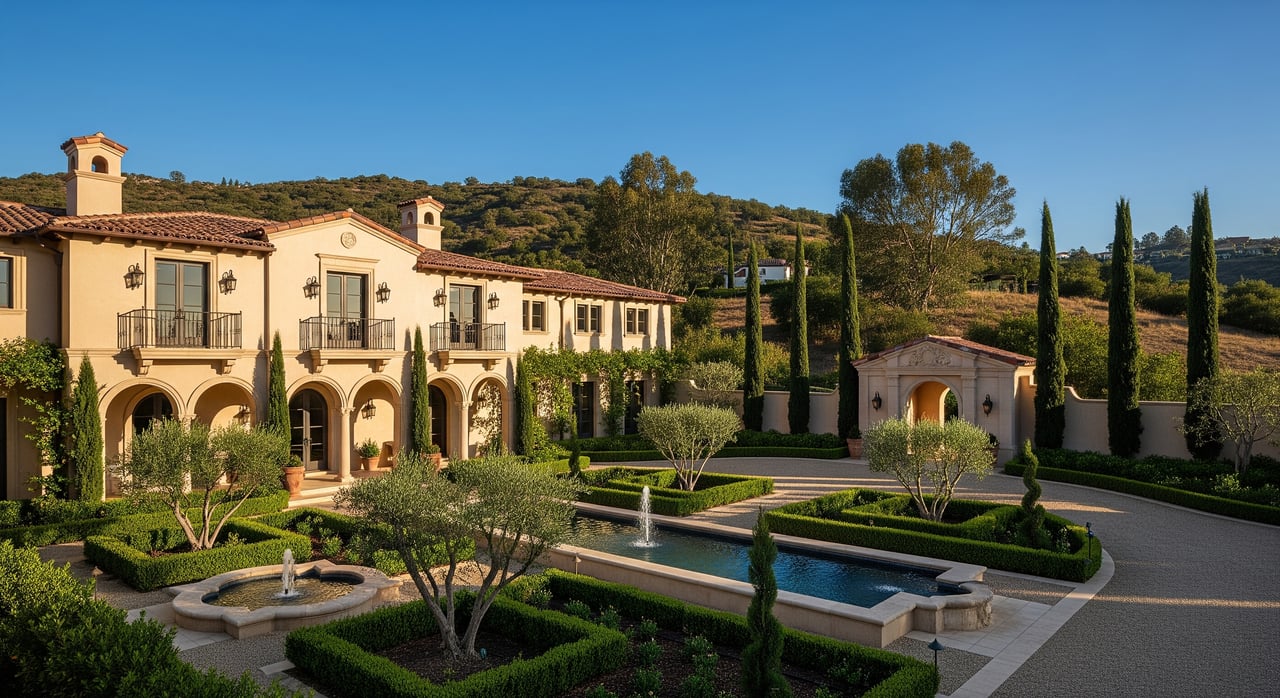
Heard someone mention “The Covenant” in Rancho Santa Fe and wondered what it actually means for your home, renovations, or resale? You are not alone. Buyers and sellers often love the beauty and privacy the Covenant protects, but they also want clarity on the rules, approvals, and timelines involved. In this guide, you will learn how the Covenant works, how design review affects projects, and how these factors play into pricing and resale so you can move forward with confidence. Let’s dive in.
What the Rancho Santa Fe Covenant is
The “Covenant” is a set of recorded covenants, conditions and restrictions that applies to properties within the Rancho Santa Fe Covenant area. These rules are private standards that sit alongside county regulations and focus on architecture, land use, landscaping, and community character.
Oversight typically comes through the community association and its committees, including a Design Review Committee. This group reviews proposed changes to ensure your plans align with the Covenant’s goals. The intent is to preserve RSF’s rural-luxury feel, generous lot sizes, equestrian character, and cohesive aesthetics that support long-term property values.
It is important to understand that the Covenant is separate from San Diego County permitting. You will often need both approvals. State law that governs homeowners associations and owner rights also applies. In practice, you coordinate with the association for design review and with the county for permits.
How design review works
What design review covers
Most visible exterior work is reviewed. Common items include:
- New homes, additions, and major renovations
- Exterior materials, colors, rooflines, chimneys, and finishes
- Guesthouses, barns and equestrian facilities, garages, and accessory structures
- Driveways, gates, fencing and walls, and their materials and heights
- Pools and spas, hardscape and outdoor lighting
- Landscape plans, tree removal or protection, and view corridor considerations
- Grading, drainage, and large retaining walls or cuts and fills
- Screening of exterior equipment like AC units, generators, and solar arrays
- Temporary structures and signage
The typical review process
- Pre-application meeting: Many owners start with an early meeting with association staff or the design committee to identify requirements and potential issues.
- Formal submittal: Plans usually include site plans, floor plans, elevations, materials and colors, landscape and drainage details, photos, and any required reports.
- Completeness check: Staff confirm your application is complete before it moves to committee review.
- Committee review: The Design Review Committee evaluates compliance with the guidelines and may request revisions or clarifications.
- Approval with conditions: Approvals often include conditions, such as additional screening or material changes. Final inspections or as-built reviews can follow.
- Separate county permits: Approval by the association does not replace county approvals. You generally need both.
Timelines and fees to expect
Timelines vary by scope. A simple exterior color change might be resolved within weeks, while a new build or large remodel commonly spans several months with multiple review rounds. Many owners plan for 30 to 90 days per formal review cycle, plus time for revisions and county permits.
You should budget for application fees, possible peer reviews by engineers or arborists, deposits for plan checks or site monitoring, and potential performance bonds for large projects.
Construction conduct and compliance
During construction, the association may set rules for contractor hours, dust control, temporary fencing, and job signage. If work deviates from the approved plans, the association can issue notices, require corrections, levy fines, or halt work until issues are resolved. These actions are separate from county enforcement.
Notes on state law: solar and ADUs
California law limits how associations restrict solar installations and accessory dwelling units. The Covenant can apply reasonable design standards, but some outright prohibitions are not allowed. You should confirm both association requirements and county rules for your specific plan.
What it means for your lifestyle
The upsides many owners value
The Covenant is designed to keep Rancho Santa Fe beautiful, private, and consistent in quality. Owners often appreciate:
- Predictability and character: Consistent standards help maintain a cohesive look and rural ambiance.
- Privacy and low density: Larger lots and landscape buffers support quiet outdoor living.
- Protected amenities: Equestrian uses, trails, and open space are part of the community fabric.
- Resale stability: Uniform quality can help preserve long-term values.
Tradeoffs to plan for
You will balance those benefits with some limits:
- Approvals are required: Even straightforward exterior changes often need review, and some requests may be conditioned or denied.
- Added time and cost: Design review, consultant reports, and longer timelines can increase project expense.
- Enforcement risks: Unresolved violations or unauthorized work can lead to fines or corrective requirements that affect sale timing.
- Buyer preferences: Some buyers prefer fewer restrictions, which can narrow the pool even if average values are strong.
Resale impacts in the Covenant
Disclosures and due diligence
When you sell, you will disclose the Covenant’s CC&Rs and guidelines, along with any architectural approvals and known violations. Buyers will want to see the association’s financials and recent meeting minutes as part of escrow. These documents help clarify what has been approved on the property and what rules apply.
Estoppel certificates and title
Buyers should request an estoppel or status letter to confirm current assessments, any fines, and open violations. Title and escrow teams will also check for recorded liens. Unresolved issues can delay or complicate closing.
Pricing, demand, and buyer confidence
Strong architectural standards can support premium pricing by protecting neighborhood character. On the other hand, unresolved compliance problems or unusual assessments can cool buyer interest. Clean documentation and a clear approval history help protect your value and expand your buyer pool.
Checklists for buyers, sellers, and renovators
For buyers considering a Covenant property
- Obtain and review: recorded CC&Rs, bylaws, design guidelines, meeting minutes, financials, and any reserve study.
- Ask for DRC history: approvals, as-built plans, variances, and open permits.
- Get an estoppel certificate early to confirm assessments and violations.
- Confirm any pending enforcement actions or needed remediation.
- Build time into your plan for post-closing approvals like landscaping, pools, or ADUs.
- Consult an agent and attorney with Covenant experience.
For sellers preparing to list
- Gather documentation: DRC approvals, permits, invoices, and as-built drawings for visible improvements.
- Resolve issues: clear any violations, past due assessments, or suspended privileges before listing if possible.
- Disclose completely: known restrictions, any special assessments, and pending association litigation.
For owners planning renovations or new construction
- Start early: schedule a pre-application meeting and align your architect with the submittal checklist.
- Hire the right team: architects, engineers, and arborists with Rancho Santa Fe experience save time.
- Prepare full packages: grading and drainage details, tree protection, landscape plans, and neighbor notice materials if required.
- Budget appropriately: association fees, peer reviews, design revisions, site monitoring, and longer timelines.
- Communicate with neighbors: early outreach can reduce objections related to views, trees, or privacy.
Smart first steps
If you are evaluating a Rancho Santa Fe property, or planning updates after you buy, start with the community’s governing documents and a clear project roadmap. Build your timeline around both association review and county approvals, and keep records of past approvals for future resale. A thoughtful approach protects your investment and lets you enjoy the very qualities that make the Covenant so special.
Curious how the Covenant might affect your purchase strategy or sale timing? Reach out to the North County experts you can trust. We pair deep local knowledge with marketing-forward execution to help you plan, price, and present with confidence. Connect with Lori Barnett to talk strategy or to Get Your Home Value.
FAQs
What is the Rancho Santa Fe Covenant and who enforces it?
- It is a set of recorded rules for properties within the Covenant area, enforced by the community association and its design review committee to preserve character and quality.
How does design review in Rancho Santa Fe work for remodels?
- You submit plans for exterior changes, the committee reviews for compliance, and approvals may include conditions; county permits are still required separately.
How long do Covenant approvals usually take?
- Simple items can take weeks, while larger projects often span months; plan for 30 to 90 days per review cycle plus time for revisions and county permits.
Do I need association approval if I already have county permits?
- Yes. Association approvals and county permits are separate processes; you generally need both for exterior work.
Can I add an ADU or install solar under the Covenant?
- State law supports ADUs and solar with reasonable design standards; confirm specific requirements with the association and the county before you proceed.
How does the Covenant affect resale when I list my home?
- You will provide CC&Rs, design approvals, and status information; clean documentation and resolved compliance issues support buyer confidence and pricing.
What happens if work is done without design review approval?
- The association can issue notices, fines, or stop-work demands and require corrections; unresolved issues can complicate escrow and title.